
The role of educators
In every region of the world, boys are more likely than girls to experience “learning poverty” – being unable to read or write a simple piece of text by age 10. Of the 152 countries for which there is data, 116 (76%) have lower tertiary enrolment rates for boys. This not only serves to hold back the boys themselves from fulfilling their potential, it is also better for society. Boys who complete their education have better health, are more likely to hold pro-social views, and to condemn violence. Educators can therefore play a vital part in helping us promote a society where all genders are compassionate – to themselves and others.
Challenging gender stereotypes
There can be an unhelpful assumption that boys prefer so-called “STEM” subjects – science, technology, engineering, and maths – over subjects like languages, arts, and humanities. The problem with this is two-fold. Firstly, for any boys who struggle with these, they may not believe that education is right for them. And for those with a passion for a humanity or art, they may also feel pushed out of school or university. Avoiding gender stereotyping and encouraging boys’ interests in non-STEM subjects is important to creating an inclusive and empowering education system.
Enable education
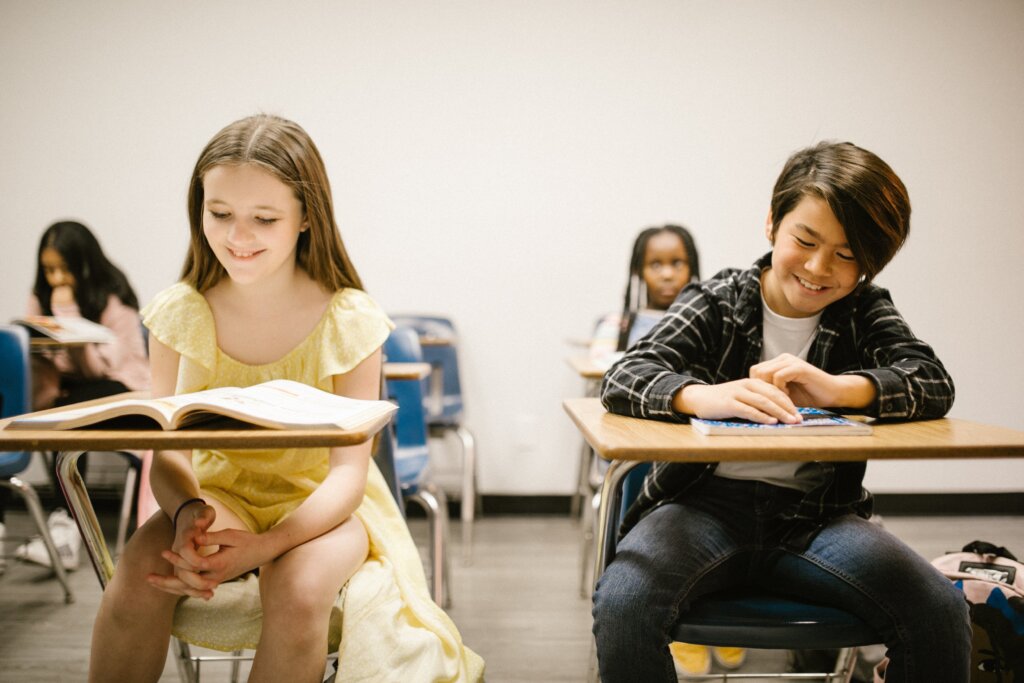
Some boys may not be able to go into school either because of prohibitive fees or because their family need them to go out to work to help earn a living. To mitigate this requires both that governments can organize to ensure no household grows up in poverty and every child has access to free education.

Cooperation, not competition
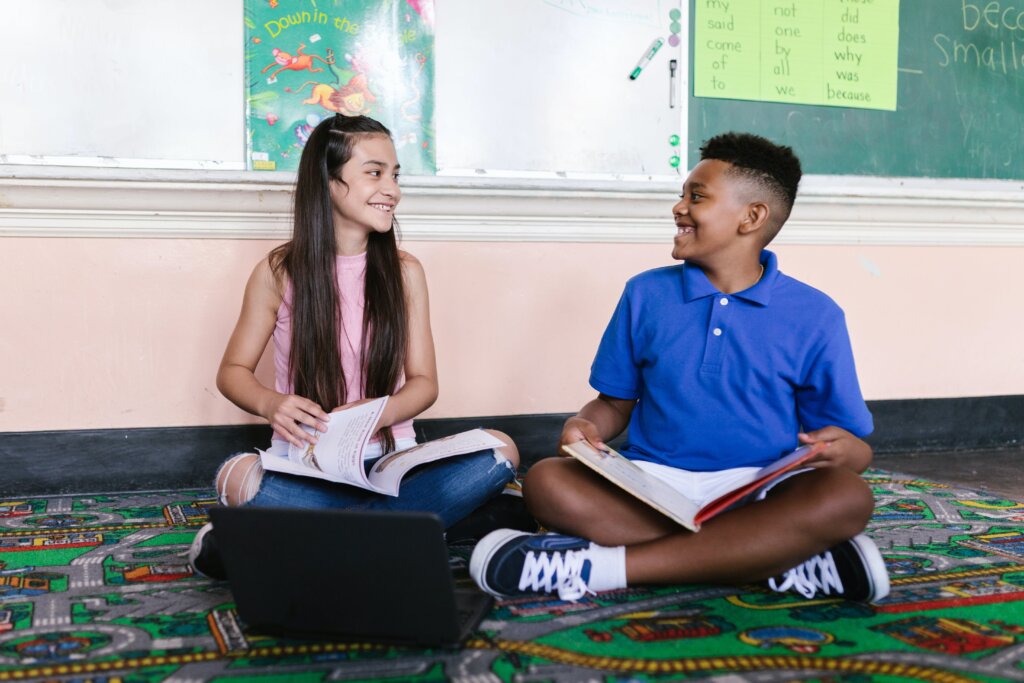
Western schooling systems are often built on a model of competition. League tables are used to rank schools; exams and grades to rank pupils. This can generate a culture of shame and embarrassment for anyone who is considered to be “not performing”. Cultures which instead promote an attitude of cooperation and mutual support are likely to do better in retaining pupil engagement and enrolment. This can be achieved by limiting the number of exams and use of league tables, catering for different styles of learning and working such as through coursework, artistic expression, and outdoor exploration, and by encouraging group work.
Promote inclusivity
Teachers can play a huge role in modelling and encouraging a culture which is inclusive to all genders and identities. Not only by their use of language, examples, and the values they promote but by organizing group explorations of these difficult topics. See here for a New York Times guide to class discussions on gender roles.
