Compassion Corps Grantees
Past grantees

Barbara Davis
2025
Location: DeKalb County, Decatur Georgia, USA
Read More
Program: Cognitively Based Compassion Training (CBCT)
Community Served: Barbara offered the CBCT training to government employees working on the front lines of public service—many of whom face high levels of stress, emotional labor, and limited access to resilience-building and compassion tools, including police, fire, justice system staff, librarians, victim advocates, sanitation, and public works professionals.
Key Insights: Compassion practice can dissolve hierarchy, strengthen human connection, and generate ripple effects that extend into families, communities, and future generations.
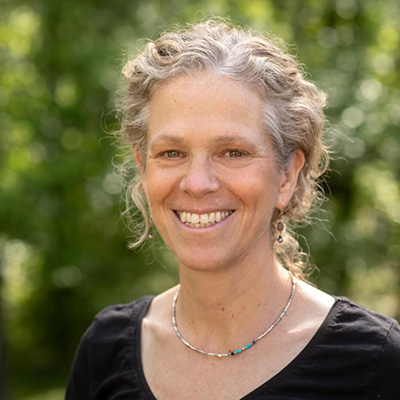
Elizabeth Hearn
2025
Location: Georgia Gwinnett College, Lawrenceville, Georgia, USA
Read More
Program: Cognitively Based Compassion Training (CBCT)
Community Served: Pre-service teachers and college seniors (ages ~19–25) enrolled in the GIFT Teacher Residency at Georgia Gwinnett College. The majority identify as people of color, many are Pell Grant recipients, and several have caregiving responsibilities. Participants are early-career educators working in under-resourced schools and communities experiencing social and political strain.
Key Insights: Compassion training for emerging educators strengthens emotional resilience, reduces empathic distress and burnout, and cultivates self-awareness and social connection—equipping teachers to sustain their well-being while serving students and communities with courage and care.
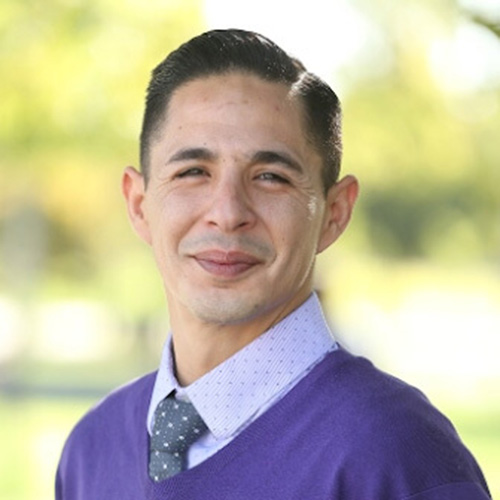
Felipe Mercado
2025
Location: California State University, Fresno — Fresno, California, USA
Read More
Program: Compassion Cultivation Training (CCT)
Community Served: Graduate social work students (SWRK 220 cohort) at Fresno State. The group includes approximately 20 MSW students from the Central Valley, many of whom are latinos, first-generation college students, parents, frontline workers, and individuals balancing full-time work, family responsibilities, and generational trauma while training to serve others.
Key Insights: Compassion training allows future social workers to serve from wholeness rather than depletion—preventing burnout, strengthening leadership rooted in humanity, and generating ripple effects that extend into families, institutions, and the communities they will one day serve.

Guillermo Sepulveda
2025
Location: Casa del Adulto Mayor, Arauco Nº 708, Valdivia, Región de Los Ríos, Chile
Read More
Program: Mindfulness and Emotional Balance Program (MBEB)
Community Served: Caregivers of older adults with terminal illnesses or cognitive decline. Most participants are elderly individuals caring for other older adults, usually family members, with high physical, emotional, and mental burden, limited support, and little prior access to self-care or mindfulness practices.
Key Insights: Compassion training offers caregivers the inner resources to sustain love without losing themselves—strengthening self-care, emotional awareness, and resilience while creating meaningful shifts that transform relationships at the heart of illness, aging, and end-of-life care.

Jaques de Heeckeren Gildemeister
2025
Location: Maitencillo, Chile
Read More
Program Mindfulness Based Emotional Balance (MBEB)
Community Served: Educators working in demanding educational environments, experiencing high emotional load, chronic stress, time pressure, and responsibility toward students and families. Participants showed strong vocational commitment alongside emotional fatigue and limited opportunities for self-care and reflection.
Key Insights Mindfulness and self-compassion training empower educators to navigate emotional demands with resilience and clarity—creating lasting impact that strengthens classrooms, relationships, and long-term wellbeing.

Jessica Mendoza
2025
Location: Hospital Cayetano Heredia, Avenida Honorio Delgado 262, San Martín de Porres, Lima, Perú
Read More
Program: Compassion Cultivation Training (CCT)
Community Served: Personal de salud de un hospital público de alta demanda en Lima, incluyendo médicos residentes, médicos de emergencia, oncología y cuidados paliativos, enfermeras y psicólogos. Profesionales en contacto continuo con el sufrimiento, la enfermedad y la muerte, expuestos a sobrecarga laboral, desgaste emocional, falta de recursos institucionales y alto riesgo de burnout.
Key Insights: Compassion practice in healthcare professionals makes it possible to accompany suffering without hardening the heart—strengthening self-compassion, humanizing medical care, and generating transformative impact for patients, families, and clinical teams.

Jessica Suárez
2025
Location: Santiago, Chile
Read More
Program: Mindfulness-Based Emotional Balance (MBEB)
Community Served: Adults living with chronic pain conditions (such as fibromyalgia, arthritis, and neuropathic pain), primarily from low-income backgrounds in Santiago, Chile. The program served individuals experiencing physical limitations, emotional distress, and limited access to health and therapeutic resources, offering free and inclusive support through mindfulness and compassion-based practices.
Key Insights: Accessible compassion training empowers individuals living with chronic pain to reduce emotional suffering, cultivate resilience, and reconnect with dignity and hope—strengthening not only personal wellbeing but also the fabric of families and communities.

Matthew Skinta
2025
Location: Chicago, Illinois, USA (program delivered online to an international audience)
Read More
Program: Compassion Cultivation Training (CCT)
Community Served: An international and highly diverse group of LGBTQ+ therapists, mental health professionals, and community members from Latin America, Central and Eastern Europe, China, Hong Kong, and the United States. The program primarily served queer and trans individuals and allies working in high-stress, politically hostile contexts, who experience both personal and professional burdens related to discrimination, minority stress, and vicarious trauma, and who sought greater self-compassion, resilience, and emotional support.
Key Insights: When compassion practices are shared across international communities, they foster solidarity, deepen cross-cultural connection, and reinforce the inner resources needed to respond to oppression with courage and humanity.

Natalia Lavin Conejo
2025
Location: Santiago, Chile
Read More
Program Programa de Mindfulness y Equilibrio Emocional (MBEB) / Mindfulness and Emotional Balance (MBEB)
Community Served: Healthcare professionals affiliated with Fundación CARE Chile, working in diverse clinical and care settings across the country. The program served professionals exposed to high emotional demands related to chronic illness, pain, fragility, and end-of-life care, many of whom experience stress, emotional exhaustion, and limited access to structured self-care spaces. The community sought tools for emotional regulation, self-compassion, resilience, and sustainable well-being in both their personal and professional roles.
Key Insights: Integrating mindfulness with compassion-based practices strengthens the capacity to respond to suffering with presence rather than depletion. When caregivers are supported in tending to their own well-being, they not only reduce burnout but also transform the culture of care within their teams and institutions.

Sevinj Aliyeva
2025
Location: Baku, Azerbaijan (program delivered online)
Read More
Program: Compassion Cultivation Training (CCT)
Community Served: Primarily female teachers from various regions of Azerbaijan, working in demanding educational environments with high emotional and relational demands. The program served educators experiencing stress, emotional overload, and limited institutional support, many of whom struggle with self-compassion despite deeply caring for their students. Participants sought emotional resilience, community connection, and practical compassion-based tools to support both their personal well-being and their work in the classroom.
Key Insights: Compassion training provides practical tools for emotional regulation, self-compassion, and resilience, while also creating healing community spaces where educators feel seen and supported. When teachers cultivate compassion for themselves and others, the benefits extend beyond the individual—shaping classrooms, schools, and the broader educational culture.

Mirjam Luthe & Dr. Susan Gitau
2025
Location: Thika, Kiambu County, Kenya
Read More
Program: Mindful Self-Compassion (MSC) Training
Community Served: Volunteer community counselors, counseling interns, and grassroots mental health workers from Kiandutu Slum and surrounding areas in Thika, Kiambu County. The program served individuals providing free psychosocial support, counseling, and community-based assistance to vulnerable populations, many of whom face high exposure to trauma, poverty-related stress, and compassion fatigue. Participants came from diverse educational and linguistic backgrounds and sought practical self-compassion tools to support both their own well-being and the sustainability of their community service work.
Key Insights: Mindful Self-Compassion training equips frontline helpers with practical tools for emotional resilience, self-kindness, and sustainable care. When compassion practices are culturally adapted and delivered in local languages, they become deeply accessible—strengthening both individual wellbeing and community-level mental health infrastructure.

Vanashree Ghate
2025
Location Mumbai, India
Read More
Program: Cognitively Based Compassion Training (CBCT)
Community Served: Healthcare professionals, mental health practitioners, educators (including special needs educators), social workers, counselors, and caregivers working in the social impact sector in Mumbai. The program served frontline professionals operating in under-resourced and high-stress environments—such as youth correction centers, underprivileged schools, community centers, and remand homes—who face emotional overload, burnout, and vicarious trauma. Participants sought to strengthen emotional resilience, self-compassion, and compassionate leadership to sustainably support the vulnerable communities they serve.
Key Insights: Cognitively-Based Compassion Training (CBCT) strengthens attentional stability, self-awareness, self-compassion, and inclusive concern, equipping changemakers to respond to trauma and systemic scarcity with clarity rather than reactivity. When compassion is embodied by those influencing dozens—or hundreds—of lives, its impact multiplies across entire communities.

Marcelo Peterlini
2025
Location: São Paulo, Brazil (Online)
Read More
Program: Compassion Cultivation Training (CCT)
Community Served: Brazilian youth (ages 18–29) from historically marginalized communities (BIPOC and low-income backgrounds), engaged in activism and social action. Many access higher education through scholarships and financial aid but have limited exposure to alternative or spiritually integrated educational spaces. Participants often face systemic hardship, mental health challenges, burnout, and lack of developmental support for emotional and spiritual growth. The program served young leaders seeking deeper purpose, resilience, and compassionate grounding to sustain their work in social change.
Key Insights: Young leaders are hungry for spaces that reconnect activism with inner development. CCT offered a rare container where spirituality, emotional resilience, and social engagement could coexist without dogma. The course reinforced that sustaining social transformation requires not only strategy and action, but also self-compassion, community, and practices that nourish the inner life of changemakers.
Mirjam Luthe & Dr. Susan Gitau
2024
Location: Rwanda & Kenya
Read More
Chanda Dharap & Christine Ferry
2024
Location: Santa Clara, California, USA
Read More
Community Served: Women inmates at Elmwood Facility, Santa Clara County Jail

Neha Bhatia
2024
Location: New Delhi, India
Read More
Community Served: Government school educators in rural and tribal India and low-income youth across the country.

Pooja Singh
2024
Location: Patna, India
Read More
Community Served: Educators and the trainers who develop them in India’s school system.

Rodrigo Ruschel, Eduardo dos Santos, Valentin Conde
2024
Location: Campinas, Brazil
Read More
Alexandre Octaviano Souza
2024
Location: Teresópolis, Brazil
Read More
Community Served: Vulnerable urban communities in Rio

Natalia Sarro
2024
Location: Buenos Aires, Argentina.
Read More
Community Served: Women in healthcare suffering from stress and Burnout.
Barbara Davis
2024
Location: Decatur Ga
Read More
Community Served: Local government employees experiencing frustration

Timothy Pedigo
2024
Location: Matteson, Illinois (near chicago)
Read More
Community Served: Low income black and brown. Low income Black and LatinaX (attend university). Over 12 years teaching. I have been teaching this population as an associate professor in psychology for over 12 years.

Matias Rodriguez
2022
Location: Argentina
Read More
Community Served: Adults with autism

Patricia Kalfaian
2022
Location: Buenos Aires, Argentina
Read More
Community Served: Staff at Hospice San Camilo

Yamel Athie Guerra
2022
Location: Tapachula, Chiapas
Read More
Community Served: Refugees at the Mexican Border, Mexico

Belen Gonzalez
2022
Location: Palma de Mallorca
Read More

Cristiano Ramalho
2022
Location: Para, Brazil
Read More
Community Served: Front line health workers in remote village in Brazil

Sara Schairer
2022
Location: San Diego, California, USA
Read More
Community Served: Sara led the eight-week course Compassion Cultivation Training® for the inmates at San Diego County’s women’s jail.

Nitesh Batra
2022
Location: Bengaluru, India
Read More
Community Served: Dream a Dream Foundation providing CCT for staff who serve the needy and alt-risk youth in India.

Miguel Riutort
2022
Location: Palma de Mallorca
Read More
Community Served: Homeless men and women living temporarily in residential centers of this Association.

Flávia C Kolchraiber
2022
Location: Sao Paulo, Brazil
Read More
Community Served: Families dealing with extreme poverty in Parelheiros, on the outskirts of São Paulo.

Dent Gitchel
2022
Location: Little Rock, Arkansas, USA
Read More
Carlos Herradon Virseda
2022
Location: Madrid, Spain
Read More
Community Served: Prison communities benefiting from meditation and compassion programs

Claudia Bernales
2022
Location: Portland, Oregon, USA
Read More

Adam Burn
2022
Location: Portland, Oregon, USA
Read More
Community Served: Offering compassion training to staff and family members serving the mentally ill at NAMI (National Association of Mental Illness)

Silvia Fernandez Campos
2022
Location: Spain
Read More
Program: CCT
Community served: Staff at Proyecto Esperanzo, staff working with women who are victims of human trafficking.
Claudia Jorquera Bernales
2020
Location: Chile
Read More
Community Served: Clinical staff supporting vulnerable, judicialized children in Chile

Luis Simarro
2020
Location: Madrid, Spain
Read More
Community Served: Parents of people with autism and intellectual disabilities
Lineth Jezek
2019
Location: California
Read More
Program: CCT
Community: served Staff and participants at Bill Wilson Center offering services to address poverty

Lara Naughton
2017
Location: Louisiana, USA