
In Uganda’s Busoga region, where poverty remains a daily challenge for many families, a quiet shift is taking place—led not by major institutions or foreign aid, but by local women determined to improve their lives and those of their communities.
As formal job opportunities for men decline, women have increasingly taken on the role of primary earners. In more than 80% of rural households, they are now at the center of family survival—digging, selling, and finding ways to provide. Yet, most have grown up in settings where education was more often directed toward their brothers, and their own economic potential overlooked.
Compassion Connectors Uganda saw this imbalance and developed a response.
A Practical Approach to Empowerment
To support these women, Uganda Compassion Connectors launched a program focused on building practical business skills—aiming to give women the tools and confidence to manage small enterprises and gain financial independence. The model is straightforward: encourage women to use small daily savings—just £1 to £3—as startup capital for micro-businesses.
From selling vegetables to household goods, the program emphasizes starting with what’s available, growing at a manageable pace, and building resilience. Participants also receive training in bookkeeping, customer service, marketing, and saving—skills that are often difficult to access through traditional education channels.
“Every woman can start and grow a business without relying on a husband’s support or external funding,” says Peter Waiswa, National Coordinator for the Connectors Program in Uganda. “What they need is knowledge, encouragement, and a starting point. We provide all three.”
Celebrating a Milestone: 200 Women Graduate
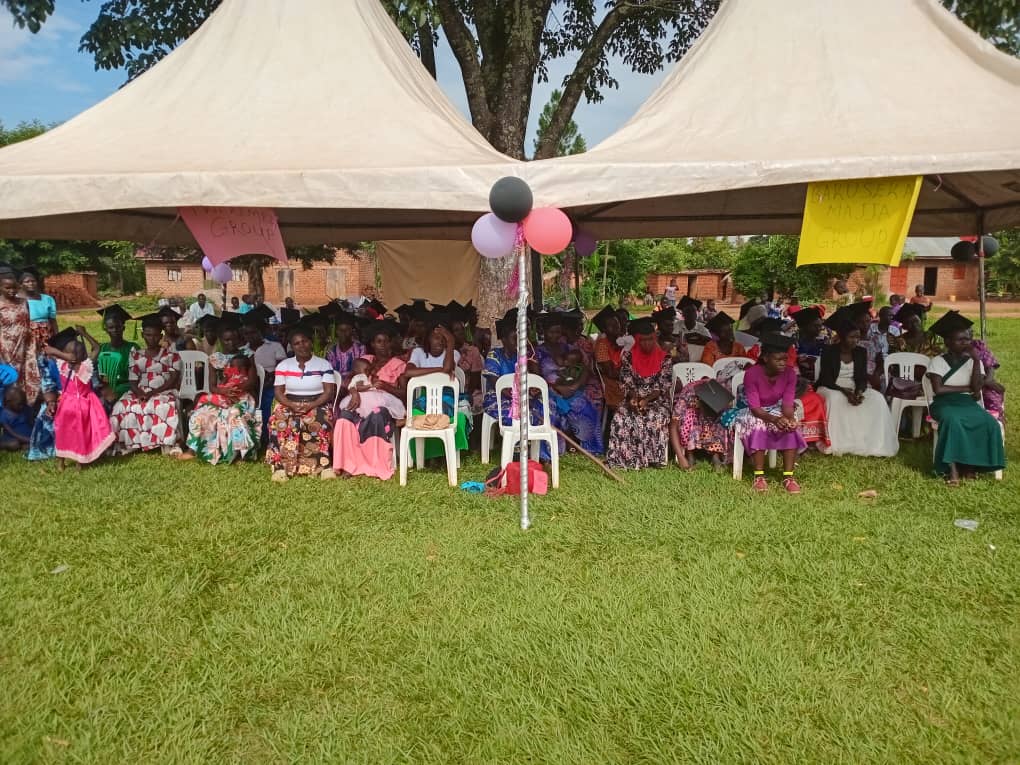
This week, Compassion Connectors Uganda celebrated the graduation of 200 women from their six-month business training program. The event brought together community leaders, local officials, and faith-based organizations to recognize what these women had achieved.
The guest of honor, Mrs. Nayenga Edith, Chairperson of Uganda’s National Women’s Associations, commended the program’s focus on sustainability and local ownership.
“Women don’t need handouts—they need opportunity, support, and skills,” she said. “The Connectors’ approach is a strong example of this.”
The celebration included music, a shared meal, and a march through nearby villages to raise awareness. One graduate reflected, “I never imagined I could run a business. But now I sell vegetables, keep records, and save weekly. My children are proud of me—and I’m proud of myself.”
Looking Ahead
With the next cohort of women already enrolled to begin on June 15, the program is continuing to grow. Uganda Connectors remain committed to scaling this work to reach more communities, helping women build stable livelihoods and support their families.
Why It Matters
In a region where women have long been underserved, this program offers not just training, but a tangible path to financial independence. It’s a reminder that sustainable development often starts with the basics—access, encouragement, and practical tools.
Each woman who participates builds more than a business—they contribute to stronger families, better outcomes for children, and a more resilient community.