
Compassion Corps
What is Compassion Corps?
Compassion Corps is a global grants initiative of the Global Compassion Coalition, created from a simple and powerful belief: that compassion is a learnable, shareable human capacity that can transform lives, institutions, and communities.
Guided by this belief, Compassion Corps works to make evidence-based compassion and mindfulness trainings accessible to everyone—especially those living and working in the most underserved and high-stress environments around the world.
Through Compassion Corps, we provide grants to fully certified teachers of evidence-based compassion and mindfulness programs, enabling them to offer full-length trainings free of charge to frontline caregivers and underserved communities around the world. By removing financial and systemic barriers, Compassion Corps helps seed sustainable “incubators of compassion” in places where resilience, emotional regulation, and human connection are mostly needed.
Since its founding, Compassion Corps has supported programs serving care workers, educators, healthcare professionals, youth leaders, caregivers, and marginalized communities across multiple continents. Between 2017 and 2025, our programs have reached over 2,100 participants in 18 countries helping restore hope, resilience, and connection in some of the world’s most challenging environments.
Applications are now closed.
Join the GCC’s mailing list here to stay in touch and be informed of future cohorts.
If you are a certified compassion or mindfulness teacher wanting to make a big impact on the world by offering compassion and mindfulness trainings where they are needed the most, we invite you to apply.
We especially welcome applications from teachers with strong, established relationships in the communities they seek to serve.
More details on the application process and who can apply are included below.
Your Donation Brings Compassion to Those Who Care for Others
A donation to Compassion Corps is an investment in the people who hold communities together.
Your support helps us fund compassion and mindfulness programs for:
- Government-employed social workers and therapists
- Healthcare professionals and medical students in public hospitals
- Public and rural school teachers
- Caregivers of older adults and people with chronic illness
- Survivors of sexual and gender-based violence
- Marginalized youth and first-generation students
- LGBTQ+ therapists working in high-risk environments
By strengthening the inner resilience of those who serve others, your generosity creates far-reaching ripple effects—across families, institutions, and entire communities.
Our Compassion Corps Grantees
Principles
Our Commitments
Compassion Corps is guided and committed to compassion in action by the following principles:
- Relieving the systemic suffering of vulnerable populations.
- Committed to evidence-based mindfulness and compassion trainings, and endeavors to provide a platform where compassion trainers can unite for the greater good.
- Supporting certified teachers of evidence-based mindfulness and compassion trainings.
- Making service sustainable for teachers and participants alike.
- Creating upward spirals of compassion through sharing inspiring stories and mapping the spread of compassion.
- Committed to creating opportunities for meaningful service and philanthropy, where small contributions can have a large impact.
- Meeting the unique reality of each community by allowing flexibility to modify programs as necessary and by inviting grantees to share best practices.
We believe compassion grows most powerfully when it is rooted in relationship, humility, and shared humanity.
Communities of Need
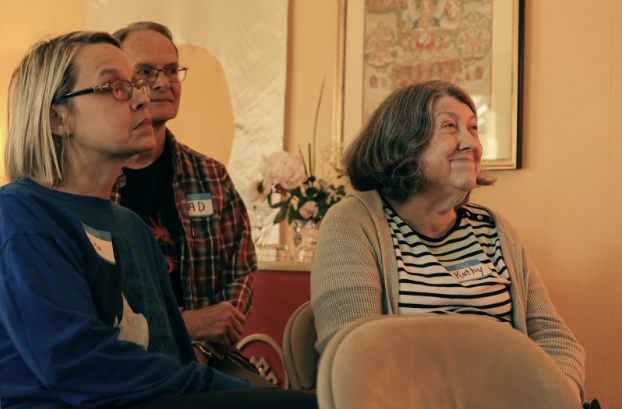
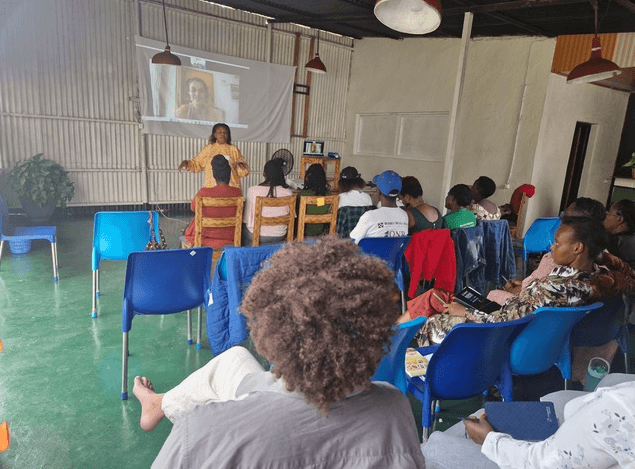
Compassion Corps exists to broaden access to compassion and mindfulness trainings for people who would otherwise be unable to participate due to financial, institutional, or systemic barriers.
While financial need is often a key factor, some communities are defined by high emotional load, trauma exposure, or risk of burnout—even when funding exists. These may include frontline caregivers, activists, educators, healthcare workers, or community leaders operating under chronic stress.
A core requirement of the Compassion Corps model is relationship-based service. Grantees must already have a meaningful connection to the community they wish to serve. We do not support “parachuting in” to deliver programs.
In addition to certification, teachers must demonstrate:
- Cultural sensitivity and humility
- Contextual understanding of the community
- A commitment to adapting programs responsibly when needed
The Science
Compassion Corps is informed by a growing body of research demonstrating that compassion can spread through social networks and systems.
- Research by Fowler & Christakis (2010) showed that cooperative and prosocial behavior can cascade beyond direct participants who were not part of the original intervention.
- Studies by Algoe et al. (2020) demonstrated the “witnessing effect,” where simply observing acts of generosity increases feelings of gratitude and prosocial motivation.
- A large-scale meta-analysis by Jung et al. (2020) across 88 studies confirmed that prosocial modeling reliably increases helping behavior across populations and contexts.
Together, this research supports what we see repeatedly in practice: when compassion is cultivated in one place, it travels.
About the founder
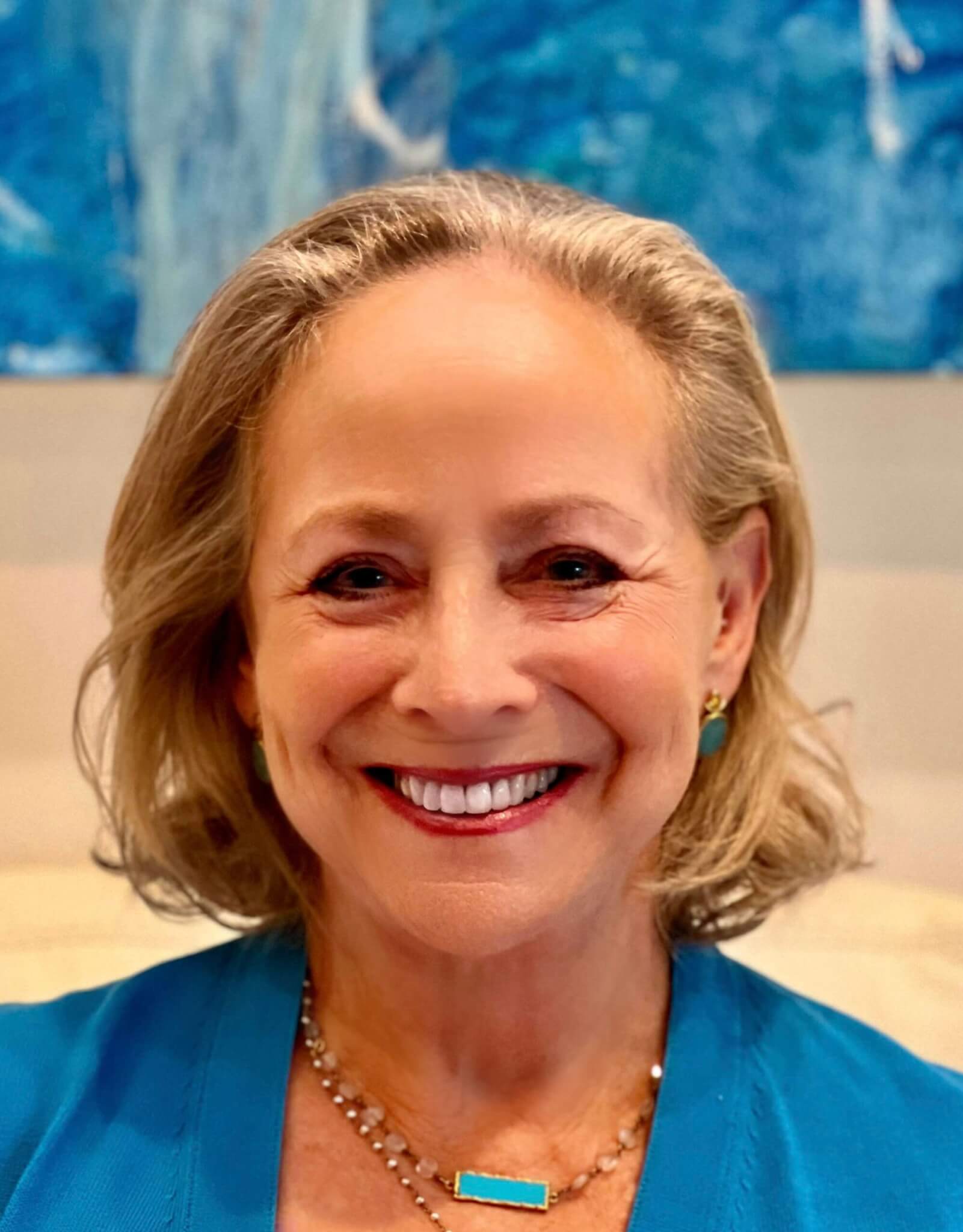
Margaret Cullen
Margaret Cullen is a licensed psychotherapist and a pioneer in bringing contemplative practices into mainstream settings. She was among the first ten people certified as a Mindfulness-Based Stress Reduction (MBSR) instructor and has taught internationally for decades.
Margaret co-developed Compassion Cultivation Training (CCT) with Thupten Jinpa at Stanford University School of Medicine, as well as Mindfulness-Based Emotional Balance (MBEB) and Mindfulness-Based Attention Training for military spouses. She has led research on contemplative programs across diverse populations and is a Senior Teacher and Curriculum Developer for Humanize, a contemplative dyad program founded by neuroscientist Tania Singer.
She is a Mind & Life Fellow, serves on the advisory board of the Global Compassion Coalition, and has been a meditation practitioner for over 40 years.
Margaret founded Compassion Corps to ensure that compassion training reaches not only those who can afford it—but those who need it most.

About the director
Maria Paula Jimenez Palacio
Maria Paula is a Colombian contemplative trainer and compassion coach. She is a Senior Teacher and Teacher Trainer of the Compassion Cultivation Program developed at the Centre for Compassion and Altruism Research and Education at Stanford University. She is also a certified teacher and teacher trainer of the Mindfulness Based Emotional Balance Program developed by Margaret Cullen and she is a trained teacher of the Mindful Self-Compassion program developed by Chris Germer and Kristin Neff. She is trained as a therapist, and she is also a lecturer, organizational consultant and advisor to groups and individuals on topics related to well-being/ whole-being, change, contemplative practices, mindfulness, compassion, self-compassion and purpose.