
Le programme des connecteurs
Le programme Connectors rassemble des personnes désireuses de vivre avec compassion et d'avoir un impact positif sur leur vie et leur communauté. Par le biais d'une pratique personnelle, de liens significatifs et d'actions concrètes ancrées dans leur territoire, les Connectors apprennent, s'entraident et contribuent à un mouvement mondial en pleine expansion pour un monde plus solidaire et résilient.
Devenez un connecteur
Qu'est-ce que c'est
- Une pratique de l'empathie, de la gentillesse et de la compassion dans la vie quotidienne
- Un espace d'apprentissage, de connexion et d'entraide
- Une voie pour transformer la compassion en actions concrètes
- Un réseau mondial de personnes qui créent le changement dans leurs propres communautés
Ce que ce n'est pas
- Un programme de financement ou de subventions
- Une opportunité d'emploi ou de bourse
- Un réseau d'ambassadeurs étroitement contrôlé
- Un engagement symbolique sans action.
The Connectors Way
Trois domaines de pratique
Le programme Connectors aide les participants à développer trois dimensions interconnectées d'action empreinte de compassion.
ÊTRE
Cultivate inner resilience and compassion.
Build your capacity for self-awareness, mindfulness and kindness. When we take care of ourselves, we're better able to show up for others and create a positive ripple effect.
CONNECTER
Build trust, relationships, and a sense of belonging.
Meaningful connections create social trust and open the door to new perspectives, deeper understanding and lasting change.
ACTE
Turn Compassion into tangible action.
Support and join local initiatives that alleviate suffering, strengthen communities and create a more just and sustainable world - starting where you are.
À qui est destiné ceci ?
Ceci est pour vous si...
Vous vous souciez de la façon dont les gens se traitent les uns les autres et vous souhaitez contribuer à créer des communautés plus bienveillantes.
Vous comprenez l'importance d'être attentif, amical et serviable de manière délibérée, au quotidien.
Vous apportez déjà votre soutien à d'autres personnes — de manière formelle ou informelle — et vous souhaitez le faire plus efficacement.
Vous êtes un dirigeant, un praticien ou un universitaire expérimenté à la recherche d'une communauté fondée sur des valeurs.
Vous croyez que la croissance personnelle et le changement social vont de pair.
Vous êtes motivé(e) à transformer vos valeurs en actions concrètes et tangibles.
Vous croyez que de petites actions régulières peuvent contribuer à façonner le monde dans lequel nous vivons.
Vous souhaitez bénéficier d'un soutien, de conseils et de ressources pour concevoir ou renforcer un projet local.
Vous souhaitez entrer en contact avec des personnes de différents pays qui poursuivent des objectifs similaires.
Vous souhaitez des outils pratiques pour renforcer les relations, la confiance et le dialogue au sein de votre communauté.
En fin de compte, être un Connecteur ne dépend pas de votre niveau d'expertise ou d'expérience, mais de votre motivation et de votre engagement à bâtir des communautés plus connectées, résilientes et compatissantes.
Ce que vous obtiendrez
Plateforme HomeGround
Accès à notre plateforme numérique dédiée à la collaboration, au développement communautaire et à l'action conjointe
Matériel pédagogique
Une bibliothèque de ressources en ligne en constante expansion, comprenant des exercices, des guides et des modules de formation
Rassemblements communautaires
Des rencontres virtuelles mensuelles offrant un environnement propice à l'apprentissage et au partage
Conférences exclusives avec des experts
Une série mensuelle présentant divers spécialistes partageant des conseils pratiques spécifiquement destinés à notre communauté
Ateliers spécialisés
Des sessions interactives conçues spécifiquement pour répondre aux besoins des Connecteurs
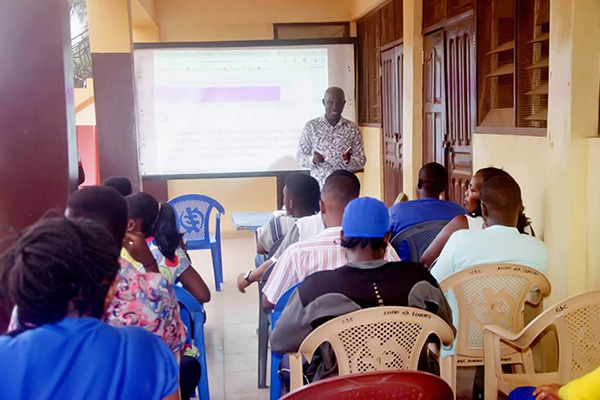
connecteur
Engagements
Humanité partagée
Reconnaître notre humanité commune et résister aux récits qui déshumanisent les autres
Construire des ponts
Pour construire des ponts par-delà les différences, en particulier là où règnent la division ou la méfiance.
La gentillesse au quotidien
Cultiver la compassion et la bienveillance au quotidien, dans notre façon d'écouter, de parler et de prendre des décisions
Action compatissante
Répondre à la souffrance dans nos communautés avec empathie, bienveillance et la volonté de la soulager si possible.
Courage et humilité
Agir avec courage et humilité, en reconnaissant que la compassion et la bienveillance requièrent souvent les deux.
Le voyage jusqu'à présent
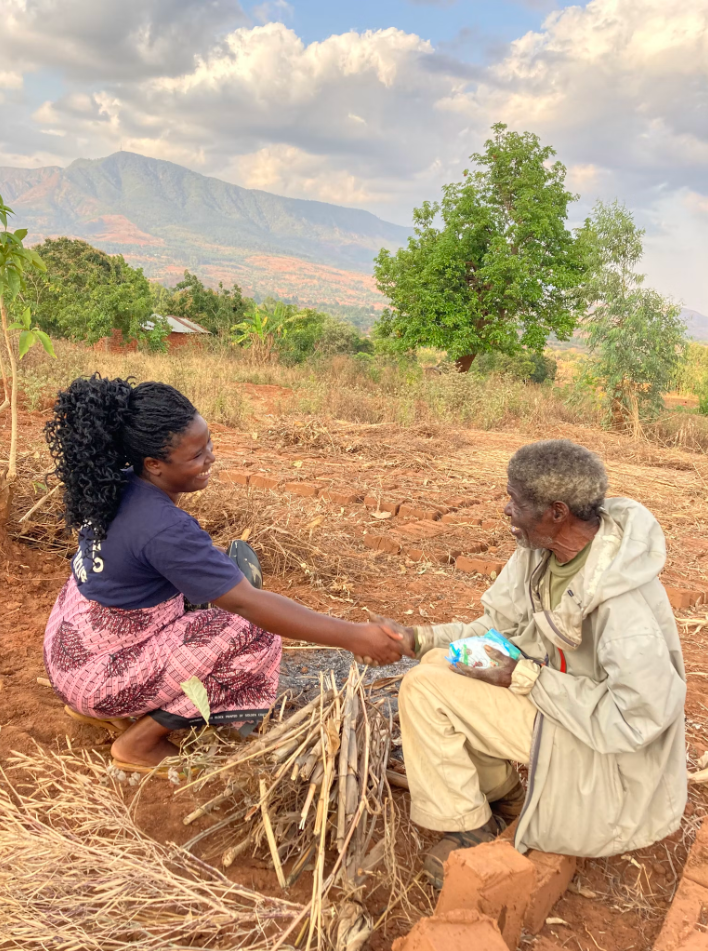
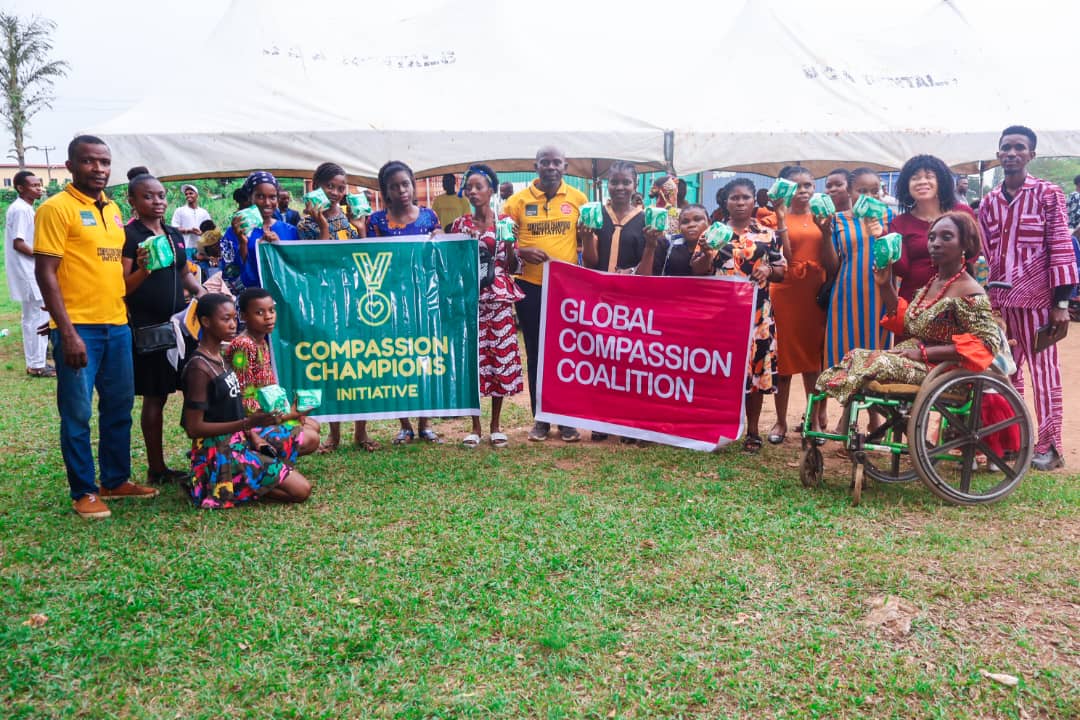
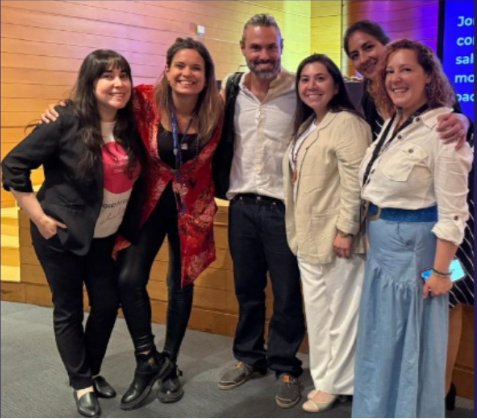
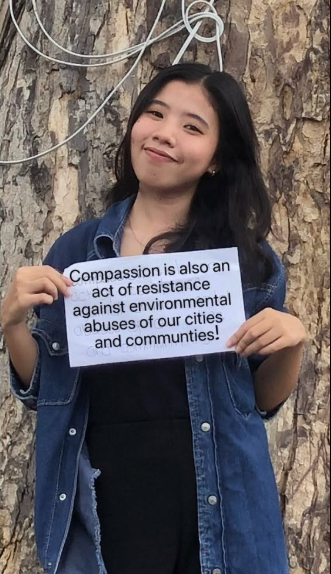
Depuis 2023, le programme Connectors a renforcé les réseaux sociaux et catalysé des projets locaux, tels que : aider les femmes à accéder à une plus grande autonomie financière en Ouganda, Soins aux personnes âgées au Burundi, et dispenser une formation axée sur la compassion aux professionnels de la santé en Argentine. Nous sommes inspirés par ce que cette communauté a construit et par le chemin qui reste à parcourir.
Témoignages
Des connecteurs du monde entier
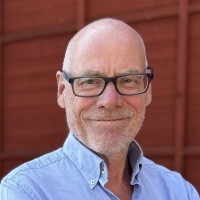
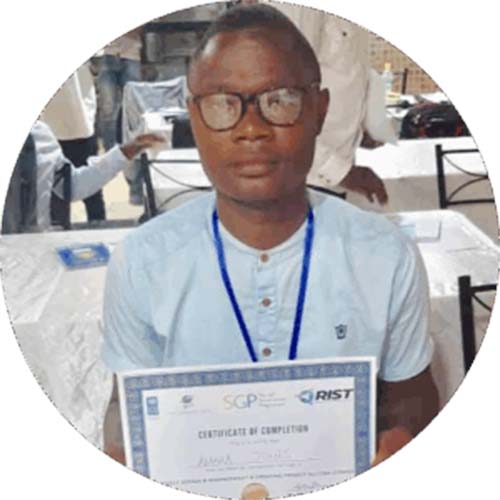
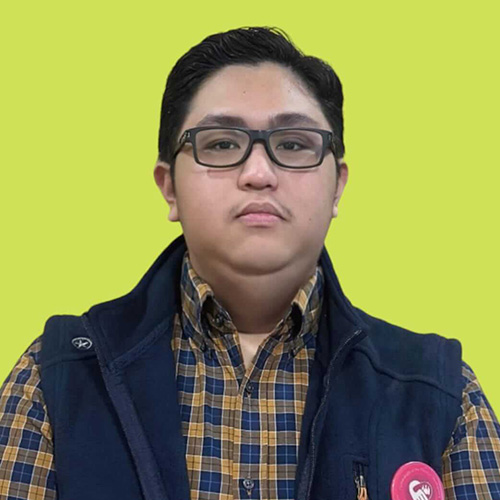
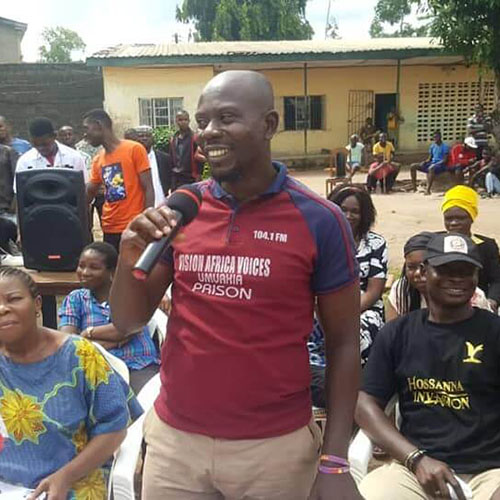
Compassion Connectors est un programme très puissant. Il m'a permis de rencontrer des personnes qui, comme moi, cherchent à faire une différence, ainsi que d'autres qui, confrontées à des difficultés, recherchent compassion et soutien.
Le programme Connectors m'a été utile pour rencontrer des personnes partageant les mêmes idées. J'ai créé un petit groupe de soutien au travail. Il faut du temps pour mettre en place ce type de groupe, mais les gens l'adorent.
Mon expérience lors d'un événement récent m'a profondément inspiré et impressionné par l'énergie collective de ce réseau.
Échanger avec les autres et écouter leurs histoires a été une joie ; cela me fournit constamment de nouvelles idées à mettre en pratique.
Lorsque je contacte les Connecteurs, je me sens plus ancré.
J'ai été vraiment inspirée d'entendre différents Connecteurs raconter comment ils ont eu un impact sur les personnes en difficulté au sein de leurs communautés, sur ceux qui visitent les prisons, et aussi sur ceux qui ont un impact sur la vie d'enfants non scolarisés comme moi.
Coordonnateurs nationaux
Les coordinateurs nationaux sont des membres actifs qui se sont engagés spontanément à développer la communauté des membres actifs au sein de leur pays. Il ne s'agit pas d'une nomination officielle ni d'une représentation du CCG ; c'est un rôle informel et bénévole qui se développe grâce à l'initiative, au développement des relations et à la volonté de soutenir et de promouvoir la compassion dans leurs communautés.
Il n'existe pas de formule unique pour devenir coordinateur national. Chacun définit son niveau d'implication en fonction de ses intérêts, de ses capacités et des besoins de sa communauté. Certains se contentent de mettre les gens en relation ou de partager des opportunités pertinentes, tandis que d'autres organisent des rencontres, soutiennent des projets collaboratifs ou contribuent à l'émergence d'initiatives nationales plus vastes.
Ce rôle vise à fédérer les Connecteurs autour de contextes, de défis et d'opportunités locaux communs. En favorisant les relations et en créant des espaces de collaboration, les coordinateurs nationaux contribuent à dynamiser les actions locales tout en renforçant la communauté mondiale des Connecteurs.
À mesure que la communauté de chaque pays évolue, le rôle de son coordinateur national peut lui aussi évoluer, reflétant les forces, les relations et les aspirations uniques de l'individu et de la communauté.








Frequently Asked Questions
General Questions About the Program
Q: What is a Connector? What are my responsibilities or roles?
A: A Connector is someone who makes a moral commitment to cultivating and expressing compassion in the world, in their personal life, relationships, community, and civic engagement.
Being a Connector is not a job, fellowship, or formal organizational position. There is no fixed list of duties, and Connectors do not represent the GCC, fundraise on its behalf, or deliver a predetermined set of activities.
The level and form of involvement is self-defined. Some Connectors may primarily focus on their own practice and learning; others may bring people together, initiate conversations, organize local activities, advocate for change, or develop projects in their communities. The program offers opportunities, resources, relationships, and inspiration. You decide how you want to engage and what role compassion can play in your own context.
Q: Where and how can I get involved? What should I do as a Connector?
A: First of all, welcome! We’re glad to have you as part of the Connectors community.
The heart of the program is the Connectors Hub, our online community space. This is where you’ll find resources, invitations to upcoming events and meetings, opportunities to connect with other Connectors, and ongoing conversations around the monthly theme.
Each month, we explore a different aspect of compassion with the aim of deepening our understanding and, most importantly, our practice. There is no single way to participate. You might:
- Explore the resources and practices around the theme of the month.
- Take part in questions, polls, and community discussions in the Connectors Hub.
- Join our monthly conversation or expert event.
- Attend the monthly Connectors meeting and exchange experiences with others in the network.
- Try one of the suggested practices in your own life or community.
- Share something you are learning, an experience from your own community, or a resource that others might find useful.
- Initiate a local conversation, gathering, or project inspired by the program.
You do pas need to do everything. The program is designed to support different levels and forms of engagement. What matters is finding ways to make compassion a lived practice in your own life, relationships, community, and civic engagement.
Q: Do you offer physical or local meetings?
A: The GCC does not organize regular in-person meetings for Connectors in different locations. However, the GCC organizes or co-organizes occasional in-person gatherings, festivals, and conferences. For example, in 2025, the GCC hosted the Festival of Compassion in South Africa, and in 2026 it co-hosted the NeuroEDU2026 Conference in Puerto Rico, and will continue to cohost these annual conferences in Puerto Rico.
Connectors are also welcome to organize informal gatherings, conversations, or activities in their own communities. If you would like to meet other Connectors near you, you can ask the National Coordinator for your country if there is one, or ask in the Connectors Hub to see whether there are others in your area or whether anyone is already organizing something locally.
Q: What do you mean by “compassion practice”?
A: Compassion practice means moving beyond compassion as an idea or value and cultivating it as something we intentionally practice in everyday life.
It can involve developing our capacity to be present with ourselves and others, becoming more aware of suffering and responding to it with care, curiosity, courage, and a willingness to act.
In the Connectors Program, we approach this through three interconnected dimensions:
- BE — Inner Capacity: Developing the inner qualities that allow us to meet ourselves and others with greater awareness, care, resilience, and compassion.
- CONNECT — Community Connection: Building relationships and communities rooted in trust, belonging, mutual care, and our ability to bridge differences.
- ACT — Advocacy & Action: Translating compassion into meaningful action in our communities and wider society, including addressing the conditions that create or perpetuate suffering.
Compassion practice can therefore be very simple: listening more deeply to someone, noticing our own reactions before responding, reaching out to someone who may be isolated, creating spaces where people feel they belong, standing alongside someone experiencing injustice, or bringing people together to address a shared challenge. The goal is not perfection. It is to develop the capacity to notice suffering, remain connected to our shared humanity, and respond with care and appropriate action.
Q: Do I need previous experience with compassion, community building, advocacy, or similar work?
A: No. The Connectors Program is designed for people with very different backgrounds and levels of experience.
You do not need to be an expert, community leader, activist, or professional practitioner. You can join simply because you want to cultivate compassion in your own life and explore what that might look like in your relationships and community.
At the same time, if you already have experience in community building, social change, advocacy, education, health, conflict transformation, or other related fields, we hope the program can provide opportunities for you to share your experience and learn from others.
Q: Where can I meet other Connectors?
A: The main place to connect with other members of the network is the Connectors Hub in Homeground, our online community platform.
You can introduce yourself, participate in discussions, respond to the monthly theme, share resources and experiences, and look for opportunities to connect with people in other parts of the world.
You can also use the Hub to ask whether there are Connectors in your country, city, or region.
Q: Who are the GCC’s partners, and what do they contribute to the program?
A: The Connectors Program is part of the GCC, a wider ecosystem of organizations and individuals working to build a more compassionate world.
You can learn more about our partners and their work in the Soutiens fondateurs et Organisations fondatrices sections. Many of these organizations contribute through knowledge, expertise, resources, events, collaboration, or other forms of support.
We see these relationships as part of a broader movement: no single organization can create a more compassionate society on its own. The strength of the network comes from connecting people and organizations who are already doing meaningful work in different contexts.
Funding & Humanitarian Assistance
Q: Can Connectors provide group or community sponsorship for another member?
A: The GCC community includes people from many countries, and some countries have private or community refugee sponsorship programs. However, the availability and requirements of these programs vary considerably by country and can change over time.
The GCC cannot facilitate or arrange individual financial, legal, immigration, refugee sponsorship, or resettlement arrangements between community members.
If you are seeking refugee sponsorship or assistance with an immigration or protection case, we encourage you to seek guidance from qualified legal professionals, refugee-support organizations, or the relevant government and resettlement programs in the countries concerned.
Q: Can the GCC fund my project or initiative?
A: No. The GCC is not a grant-making or project-funding organization and cannot provide financial support for individual projects, organizations, or initiatives proposed by Connectors.
The Connectors Program is designed to provide a community, learning opportunities, resources, relationships, and spaces for collaboration, not direct financial grants.
However, we’ve developed a curated list of funding organizations and resources to help connector-led projects in Africa find new opportunities. You can check it out ici.
Q: How can the GCC support people facing human rights violations, conflict, persecution, or other serious humanitarian situations?
A: The GCC is a community and network focused on compassion, connection, and action. However, we are not a humanitarian aid organization, refugee resettlement agency, legal service, or emergency response organization.
This means that we cannot directly provide emergency financial assistance, legal representation, evacuation, refugee sponsorship, housing, or other individual humanitarian services.
When someone in our community is facing a serious humanitarian situation, we encourage them to seek support from organizations with the appropriate expertise, legal authority, and resources to respond to their specific circumstances.
Where possible, the GCC may help by sharing relevant publicly available resources or directing people toward established organizations and services that may be able to assist. We also encourage Connectors to use their own networks and knowledge to identify appropriate sources of support.