
Climate Change working group
The aim of the group is to explore the role of compassion for addressing climate change and other sustainability challenges and disseminate related knowledge and approaches (for policy integration, systemic and culture change, education).
It addresses the current lack of knowledge and applications of compassion in the field of climate change and sustainability to support individual, collective and system change.
The problem
Climate change is an increasing threat to healthy and sustainable development worldwide. However, the incremental policy approaches have not generated action at anywhere near the rate, scale or depth that is needed.
This is largely due to the fact that climate change has historically been framed as a purely external, and technical challenge. There is an urgent need for a more fundamental understanding of climate change and our relation to it that links together individuals, communities, institutions, and systems.
The way forward
We are increasingly understanding that sustainability crises, such as climate change, have one root cause: they are a reflection of an inner, human crisis of disconnection or separation from self, others, and nature, that is grounded in our modern cultures.
Addressing climate change requires a shift away from those cultures and ways of thinking to more connected and compassionate mindsets. It’s about becoming a more caring society, instead of relentlessly and increasingly exhausting ourselves, others and the planet.
The questions we address
- What is the nature, and quality of our relationships?
- How do we relate to ourselves, others and the world as a whole, and which conditions, skills and qualities influence these relationships?
- How can we increasingly make choices that are life-giving and transformative rather than exploitative and life-threatening?
- How can we then design measures, strategies and approaches that support this life-enhancing, transformative process across individual, collective and policy levels?
- How can compassion be integrated into sustainability and climate approaches, to move beyond its current, partial focus on external and technological solutions?
- What conditions and approaches can nourish a sense of compassion (for self, others, future generations and the planet) amongst the public and decision-makers?
Further reading
- Bauer-Wu, Susan. 2023. A Future We Can Love.
- Cook, L., Senge, P., Boell, M., & Funk, M. (2021, March 25).How We Show Up: Compassionate Systems in California K-12 Education [pdf]. North Andover, MA: Center for Systems Awareness.
- Wamsler, C., Osberg, G., Osika, W., Hendersson, H., Mundaca, L. (2021) Linking internal and external transformation for sustainability and climate action: Towards a new research and policy agenda, Global Environmental Change, 71:102373. Online. (First systematic literature review in the field of inner-outer transformation)
- Wamsler, C., Bristow, J. (2022) At the intersection of mind and climate change: Integrating inner dimensions of climate change into policymaking and practice, Climatic Change, 173(7). Online. To access to the revised figure, click here.
- Wamsler, C. (2022) What the mind has to do with the climate crisis: Mindfulness and compassion as pathways to a more sustainable future; Mind&Life Insights Project: Journeys into the heart of contemplative science. Online.
- Wamsler, C., Osberg, G. (2022) Transformative climate policy mainstreaming – Engaging the political and the personal, Global Sustainability 5, E13. Online.
- Other related references can be accessed here: https://www.contemplative-sustainable-futures.com/general-3-1
Members
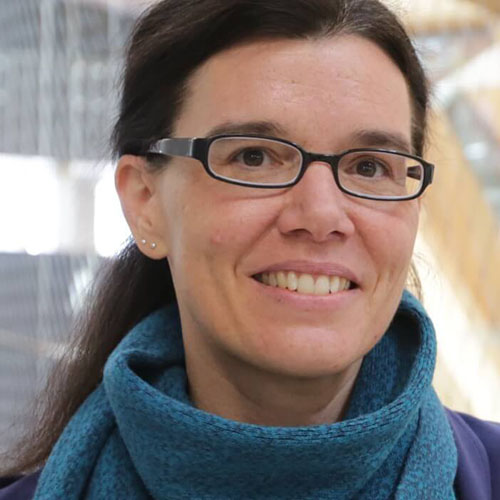
Christine Wamsler (Convenor)
Professor of Sustainability Science at Lund University Centre for Sustainability Studies (LUCSUS), Founder and Director of the Contemplative Sustainable Futures Program, and former Co-Director of the Societal Resilience Centre. She is an internationally-renowned expert in sustainable development and associated (material and cognitive) transformation processes, with 25 years of experience, both in theory and practice. Her work has shaped international debates and increased knowledge on personal, collective, institutional and policy transformations in a context of climate change.

Gustav Böll
Gustav is the Assistant Director of Youth Leadership at the Center for Systems Awareness. His role is to lead the Youth Team and their efforts of training students and teachers from around the world on the Compassionate Systems Framework. Gustav holds a BA in International Studies from Roskilde university.
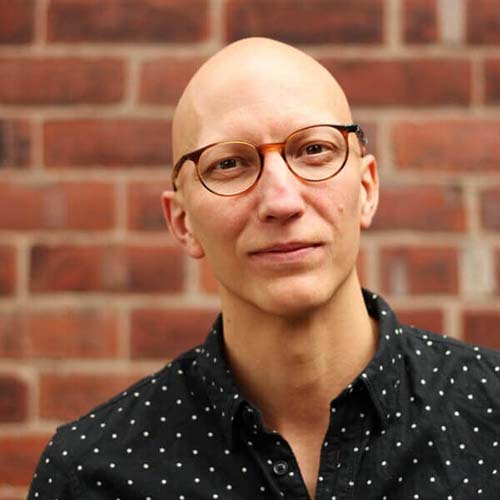
Jamie Bristow
Jamie Bristow is a leading expert on contemplative practice in public life and a former climate campaigner. He co-authored the 'Reconnection: Meeting the Climate Crisis Inside Out' report whilst Director of the Mindfulness Initiative policy institute, and now leads on policy and narrative development for the Inner Development Goals.
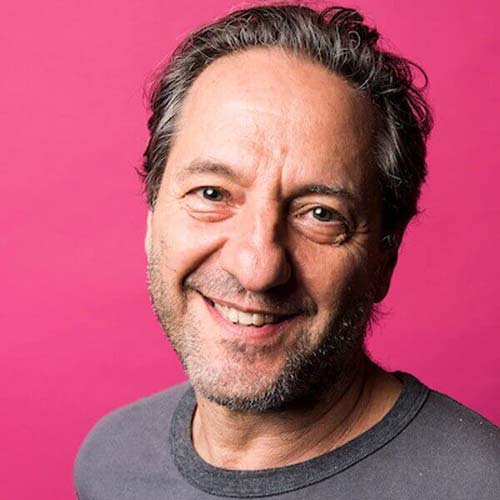
Jo Confino
Jo is an executive coach, facilitator, journalist, and sustainability expert, Jo has partnered with the UN Development Programme on a consciousness and systems change initiative, and sits on the Boards of various climate organizations. Jo held senior editorial positions at the HuffPost in New York and the Guardian in London, where he oversaw its sustainable business website.
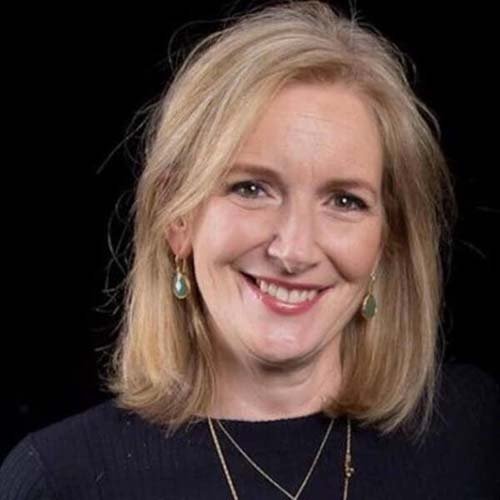
Jennifer Nadel
Jennifer is a qualified barrister, author, political strategist, speaker, activist and award winning TV journalist. Her Sunday Times Bestsller, WE, is a guide for individual and societal change. A lifelong environmentalist, she has sat on the National Executive of the UK Green Party and ran for parliament twice. She is Co-Director of the UK thinktank, Compassion in Politics.
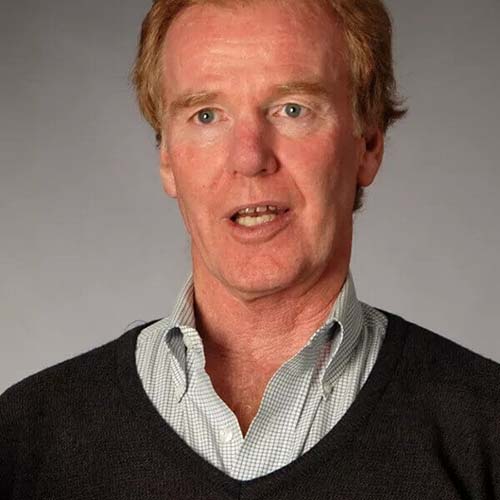
Peter Senge
Peter is Co-Founder of the Center for Systems Awareness. He has been at the forefront of organizational learning since publishing his classic text The Fifth Discipline in 1990, which provided theories and methods to foster aspiration, develop reflective conversation, and understand complexity in service of shaping learning-oriented organization cultures. In 1997, Harvard Business Review named the learning organization as one of “the seminal business ideas of the prior 75 years.”
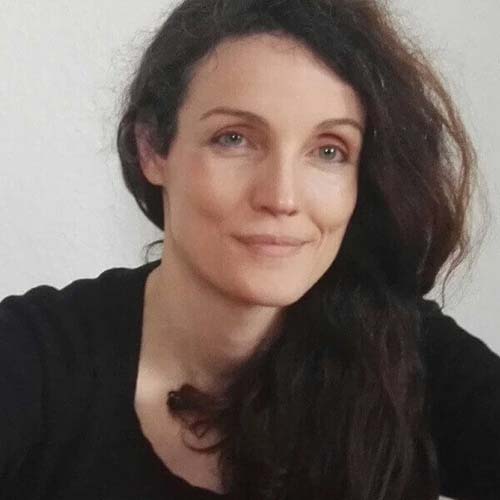
Laureline Simon
Laureline is the founder and director of One Resilient Earth, an international non-profit organization dedicated to growing the climate resilience of individuals, re-building communities and regenerating ecosystems, through learning, arts and cultural transformation. Laureline previously worked on climate change mitigation, adaptation and loss and damage, including with the United Nations Climate Change secretariat.
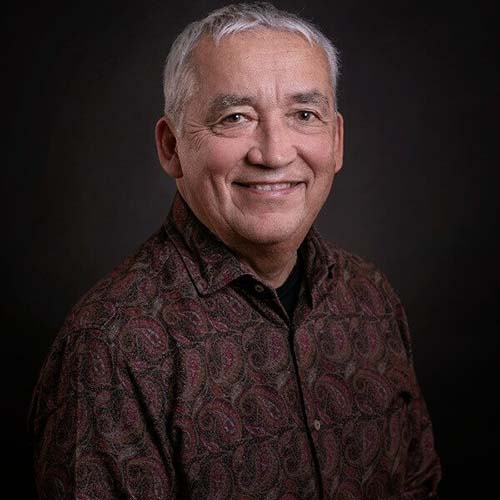
Ha Vinh Tho
Ha Vinh is Founder of ELI: Eursasia Learning Institute for Happiness and Wellbeing and Chairman of the Eurasia Foundation. He was also formerly Programme Director at the Gross National Happiness (GNH) Center in Bhutan. As former Head of Training, Learning and Development at the International Committee of the Red Cross, he has trained humanitarian professionals working in war zones and emergency response in Asia, the Middle East, Africa and Europe.

Morag Watson
Morag is a policy expert and former UNESCO adviser who has been advising individuals, organisations and governments on climate change, sustainability, leadership for sustainability and change strategies for nearly twenty years. She is Director of Policy for Scottish Renewables, advising the Scottish and UK government on the energy transition.
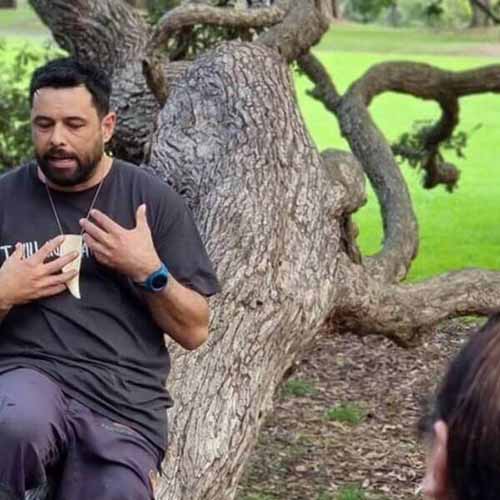
Zane Wedding
Zane is Youth Development Manager at the Kindness Institute in New Zealand. He was formerly a Senior Lecturer in Arboriculture at the Manakau Institute of Technology and a staff member and activist with Greenpeace.